
Sweet Insights: Navigating the World of Diabetes
Explore a world of knowledge and support as we delve into all things diabetes-related. From cutting-edge research and lifestyle tips to personal stories of triumph, Sweet Insights is your go-to resource for understanding, managing, and thriving with diabetes. Join our community as we share the latest trends, recipes, and expert advice to empower you on your journey towards a healthier, sweeter life.
Sweet Insights: Navigating the World of Diabetes
Explore a world of knowledge and support as we delve into all things diabetes-related. From cutting-edge research and lifestyle tips to personal stories of triumph, Sweet Insights is your go-to resource for understanding, managing, and thriving with diabetes. Join our community as we share the latest trends, recipes, and expert advice to empower you on your journey towards a healthier, sweeter life.
Large Call to Action Headline
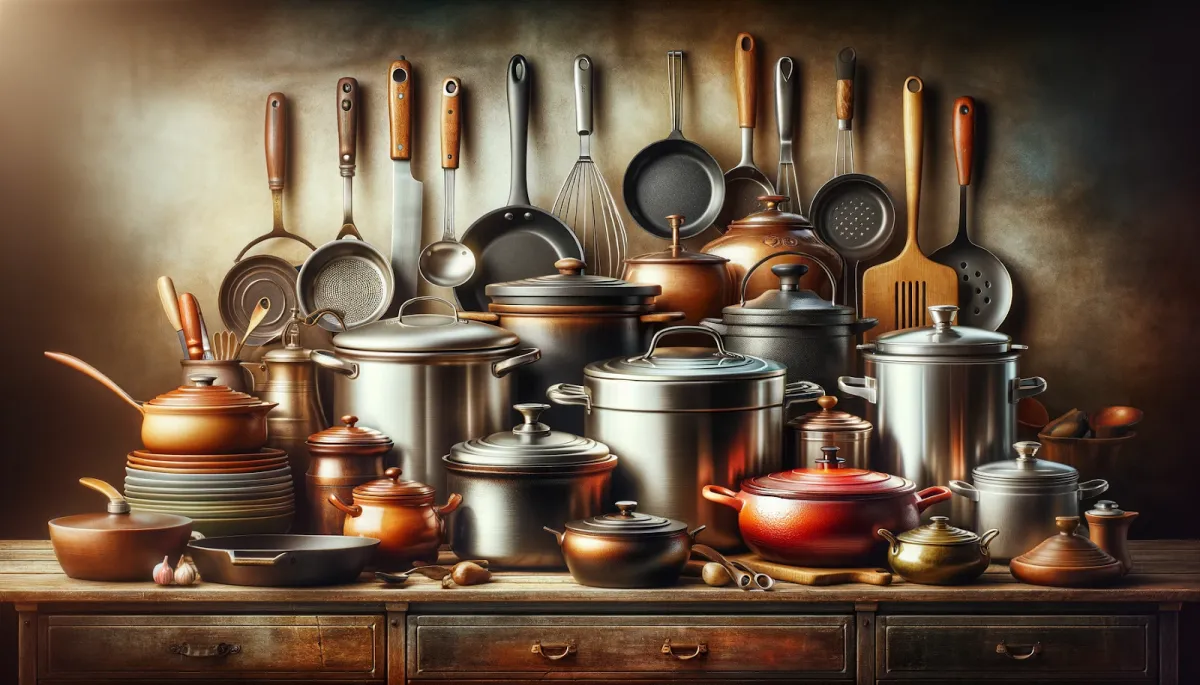
The Proper Ways to Clean Your Cookware
The Proper Ways to Clean Your Cookware
Cookware is an essential part of any kitchen, and the material it's made from can significantly affect its performance, durability, health implications, and maintenance. Let's delve into the positives and negatives of various cookware materials along with their cleaning methods and health implications:

How to Maintain and Clean Your Cookware
The following words explain the advantages and disadvantages of using different types of cookware and their cleaning procedures.
Stainless Steel
Health Benefits of Using Stainless Steel Cookware
Non-Reactive Surface: Stainless steel is safe to cook various dishes without altering their flavor or nutritional content due to its resistance to acidic or alkaline foods.
Durability: High-quality stainless steel cookware is durable, requiring less frequent replacements and reducing exposure to harmful compounds compared to lower-quality materials.
Low Maintenance: Its ease of cleaning helps maintain a hygienic cooking environment, reducing the risk of foodborne illnesses.
Nutrient Retention: The non-reactive nature of stainless steel means that food retains more of its original nutrients during cooking, contributing to a healthier diet.

Health Disadvantages of Using Stainless Steel Cookware
Nickel and Chromium Leaching: Certain stainless steel cookware, containing nickel and chromium, can leach into food in trace amounts, particularly when cooking acidic foods, raising concerns for those with specific allergies or sensitivities.
High Heat Cooking: High-temperature use of stainless steel cookware can potentially create harmful compounds in food over time, but this risk is minimized with proper cooking techniques and temperatures.
Stainless steel cookware is a safe, durable, and health-benefiting option, but consumers should choose high-quality, food-grade options and be aware of metal sensitivities.
Cleaning Methods
Cleaning stainless steel cookware can be simple and effective with these short methods:
Daily Cleaning: Use warm soapy water and a soft sponge. Rinse well and dry with a soft towel to avoid water spots.
Stuck-on Food: Soak in warm, soapy water, then scrub gently. For tough residue, simmer water and dish soap in the pan, cool, and clean.
Water Spots Removal: Wipe with vinegar or lemon juice, rinse, and dry.
Polishing: Rub with a cloth dampened in vinegar, followed by polishing with olive oil. Alternatively, clean with club soda for a streak-free shine.
Deep Cleaning for Stains: Apply a baking soda paste, let sit, scrub gently, and rinse. For tough stains, use Bar Keepers Friend as directed.
Scratch Prevention: Use non-abrasive tools for cleaning and avoid steel wool.
Maintenance: Dry immediately after washing to maintain shine and prevent spots. Store carefully to avoid damage.
Copper
Health Benefits of Using Copper Cookware
Superior Thermal Conductivity: Copper cookware offers efficient heat distribution, ensuring even cooking and preserving nutrients and antioxidants, thanks to its excellent thermal conductivity.
Trace Copper Nutrient: Copper cooking introduces small amounts of essential trace minerals into the diet, crucial for survival, and maintaining healthy bones, blood vessels, nerves, and immune function.

Health Disadvantages of Using Copper Cookware
Reactivity with Food: Copper cookware reacts with acidic foods, causing leaching and potentially toxic copper poisoning, causing nausea, vomiting, and diarrhea.
Maintenance and Lining: Copper cookware, lined with tin or stainless steel, can expose food to copper over time, necessitating costly maintenance and re-tinning, which can be inconvenient.
Cost: High-quality copper cookware is often more expensive than other materials, making it less accessible for everyday use.
Copper cookware, despite its heat conductivity and nutritional benefits, requires careful handling to prevent leaching. Lined options offer a safer option for precision cooking.
Cleaning Methods
Cleaning copper cookware efficiently while maintaining its beauty involves a few straightforward steps and household ingredients:
Routine Cleaning: Wash with warm, soapy water using a soft sponge or cloth. Rinse with water and dry immediately to avoid water spots.
Removing Tarnish:
Vinegar and Salt: Mix equal parts of vinegar and salt to form a paste. Apply this to the copper surface, scrub gently with a soft cloth or sponge, then rinse and dry.
Lemon and Salt: Cut a lemon in half, sprinkle salt on its cut side, and rub directly on the tarnished areas. Rinse with water and dry immediately.
Polishing Copper:
Commercial Copper Polish: Use a commercial polish following the manufacturer's instructions for stubborn tarnish and to achieve a high shine.
Flour, Salt, and Vinegar Paste: For a DIY polish, mix flour, salt, and vinegar into a thick paste. Apply to the cookware, let sit, then rinse off and dry.
Preventing Tarnish:
Apply a thin layer of mineral oil after cleaning to slow down the tarnishing process.
Store in a dry place to prevent tarnish from humidity.
Maintenance:
Always hand wash copper cookware; dishwasher chemicals can damage the surface.
Use liners (like tin or stainless steel) for cooking to prevent food from directly contacting copper, which can react with acidic foods.
Remember, regular care and gentle cleaning will keep your copper cookware looking its best for years to come.
Aluminum
Health Benefits of Using Aluminum Cookware
Excellent Heat Conductivity: Aluminum cookware's superior heat conductivity ensures quick and even heating, ensuring thorough cooking and potentially preserving nutrients from overcooking or uneven heating.

Health Disadvantages of Using Aluminum Cookware
Aluminum Leaching: Aluminum leaching in food, particularly acidic ones like tomatoes and citrus, can cause health concerns, including potential neurological disorders like Alzheimer's disease, though no definitive causal relationship exists.
Durability and Reactivity: Aluminum cookware is susceptible to denting and scratching, and its reaction with acidic and alkaline foods can affect food flavor and potentially lead to metal leaching.
Anodized Aluminum Consideration: Anodized aluminum cookware, treated to prevent corrosion and reduce reactivity, is generally more expensive and may not be as durable as stainless steel.
Aluminum cookware, while effective, poses health risks due to aluminum leaching, especially with high-acid foods or worn or damaged cookware. Anodized aluminum can mitigate risks, but careful consideration is advised.
Cleaning Methods
Cleaning aluminum cookware effectively while preserving its condition involves simple steps:
Regular Cleaning: Use warm, soapy water and a soft sponge or cloth for everyday cleaning. Rinse thoroughly and dry immediately to prevent water spots.
Removing Burnt-on Food:
Boiling Water: Fill the cookware with water, bring it to a boil, and let it simmer for a few minutes. This loosens burnt-on food.
Baking Soda Scrub: Sprinkle baking soda on the surface, add water to form a paste, let it sit for a while, then scrub gently with a soft brush or sponge.
Brightening Aluminum:
Vinegar or Lemon Juice: To brighten dull aluminum, boil a mixture of water and vinegar or lemon juice in the cookware for a few minutes, then rinse and dry.
Cream of Tartar: Mix water and cream of tartar and boil it in the cookware for 10 minutes to restore shine.
Deep Cleaning Stains:
Baking Soda and Hydrogen Peroxide: Apply a paste of baking soda and hydrogen peroxide on stains, let it sit, then scrub and rinse.
Maintenance Tips:
Avoid using abrasive scrubbers or harsh chemicals that can scratch or discolor aluminum.
Dry the cookware thoroughly after washing to prevent rust and water spots.
Regular care using these gentle methods will keep your aluminum cookware clean, shiny, and in good condition.
Fiberglass
Health Benefits:
Heat Resistance: Fiberglass composites can withstand high temperatures without degrading, making cookware handles safe and reducing the risk of burns.
Durability: Cookware with fiberglass components may offer enhanced durability and longevity, reducing the need for frequent replacements.

Health Disadvantages:
Potential Chemical Leaching: Composite cookware, despite not being directly related to fiberglass, can leach harmful chemicals if the surface is damaged or used at higher temperatures.
Fiberglass Particles: The risk of fiberglass particles being released due to damage or deterioration is primarily associated with industrial exposure, not with cookware use.
Use cookware according to manufacturer's instructions and ensure materials in direct contact with food are approved by health authorities. Common safe materials include stainless steel, cast iron, aluminum, ceramics, and non-stick coatings.
Cleaning Methods
Cleaning fiberglass cookware requires careful handling to maintain its integrity while ensuring it's clean and hygienic for cooking. Here are concise steps for effective cleaning:
Routine Cleaning:
Use warm, soapy water and a soft sponge or cloth to gently clean the cookware. Avoid abrasive pads or harsh chemicals that can scratch or damage the fiberglass surface.
Rinse thoroughly with clean water to remove any soap residue.
Removing Stains and Discoloration:
Baking Soda Paste: Mix baking soda with a small amount of water to create a paste. Apply this paste to stained areas and gently rub with a soft cloth or sponge. This method is effective for light stains and can help restore the original look without scratching the surface.
Vinegar Solution: For tougher stains or to brighten the cookware, mix equal parts of white vinegar and water. Use this solution to soak the stained areas for a few minutes before washing. Rinse thoroughly afterward.
Deep Cleaning:
Bleach Solution (Use Sparingly): For deep, stubborn stains or to sanitize, you can use a diluted bleach solution (1 tablespoon of bleach per gallon of water). Soak a cloth in the solution and gently wipe the stained areas. Ensure you rinse the cookware thoroughly after this process to remove any bleach residue. Use this method sparingly, as frequent use can damage the cookware over time.
Drying:
Dry the cookware thoroughly with a soft, clean towel or let it air dry. This step is crucial to prevent water spots and to maintain the appearance of the fiberglass surface.
General Care:
Avoid using metal utensils that can scratch the surface.
Do not expose fiberglass cookware to extreme heat sources, as it may warp or damage the material.
By following these simple steps, you can keep your fiberglass cookware clean, hygienic, and in good condition, extending its lifespan and ensuring safe food preparation.
Plastic
Health Benefits of Using Plastic Cookware
Convenience: Plastic cookware is lightweight, easy to handle, and often microwave-safe, making it convenient for reheating food directly in the container.
Insulation: Plastic has good insulating properties, helping to keep food warm or cold for longer periods.

Health Disadvantages of Using Plastic Cookware
Chemical Leaching: Certain plastics, particularly BPA and phthalates, can leach chemicals into food, leading to health issues like hormonal imbalances and increased cancer risk.
Melting Risk: Plastic cookware can melt or warp when exposed to high temperatures, potentially contaminating food with harmful compounds.
Durability: Plastic utensils can degrade over time, especially if used for cooking at high temperatures, leading to the potential ingestion of plastic particles.
Environmental Impact: Plastic cookware contributes to plastic waste, which is a significant environmental concern due to its slow degradation rate and impact on wildlife and ecosystems.
Plastic cookware, while convenient, can cause health risks due to chemical leaching. Opt for BPA-free, food-safe alternatives like glass, stainless steel, or ceramic for cooking and food storage.
Cleaning Methods
Cleaning plastic cookware efficiently and safely involves simple steps to remove grease, stains, and odors without damaging the material:
Routine Cleaning:
Use warm, soapy water and a soft sponge or cloth to gently scrub the cookware. Avoid using abrasive scrubbers that can scratch the plastic surface.
Rinse thoroughly with clean water to remove soap residue.
Removing Stains and Odors:
Baking Soda Paste: Make a paste with baking soda and water, apply it to the stained areas, and let it sit for 15-20 minutes before scrubbing gently. This method is especially effective for removing stains and odors.
Vinegar Solution: Mix equal parts of white vinegar and water to create a solution. Soak the cookware in this solution for 30 minutes to help remove odors and lighten stains. Rinse well afterward.
Dealing with Grease:
For greasy residues, use a mixture of dish soap and baking soda. Apply this mixture to the greasy areas and scrub gently. The baking soda acts as a mild abrasive to help remove grease without scratching the plastic.
Deep Cleaning:
Bleach Solution (Use Sparingly): For deep cleaning and disinfecting, you can use a diluted bleach solution (1 tablespoon of bleach per quart of water). Soak the cookware in the solution for 5-10 minutes, then rinse thoroughly. Use this method sparingly to avoid weakening the plastic over time.
Drying and Storage:
Dry the cookware thoroughly with a clean towel or let it air dry to prevent water spots and bacterial growth.
Store in a dry place to avoid moisture buildup, which can lead to mold and mildew.
By adopting these cleaning methods, you can keep your plastic cookware in good condition, ensuring it's clean, hygienic, and ready for your next cooking adventure.
Ceramic
Health Benefits of Using Ceramic Cookware
Non-Reactive Surface: Ceramic cookware is non-reactive, ensuring pure and uncontaminated flavors in food, regardless of ingredient acidity levels, ensuring the safety of cooking.
Even Heat Distribution: Ceramic cookware evenly heats food, reducing overcooked or undercooked spots and preserving nutrients and natural flavors, thus enhancing the overall cooking experience.
Non-Stick Properties: Ceramic coatings provide non-stick properties without harmful chemicals, promoting healthier cooking with less oil.

Health Disadvantages of Using Ceramic Cookware
Lead and Cadmium Exposure: Low-quality ceramic cookware may contain lead or cadmium, posing health risks. Modern, high-quality cookware is lead and cadmium-free, adhering to strict safety standards.
Durability Concerns: Ceramic cookware, while durable, can easily chip or crack, contaminate food, diminish non-stick properties, and increase leaching risk if unsafe materials are present beneath the coating.
Ceramic cookware offers health benefits like non-reactive surfaces and low-fat cooking but requires high-quality, certified lead and cadmium-free products for safety and integrity.
Cleaning Methods
Cleaning ceramic cookware effectively while preserving its non-stick surface and aesthetic appeal involves simple steps:
Daily Cleaning:
Use warm, soapy water and a soft sponge or dishcloth to clean the cookware after each use. Ceramic surfaces can be easily cleaned without the need for harsh scrubbing.
Rinse thoroughly with water to remove any soap residue.
Removing Stuck-on Food:
Soak the cookware in warm, soapy water for a few minutes to loosen any stuck-on food, then gently scrub it off with a non-abrasive sponge.
Dealing with Tough Stains:
Baking Soda Paste: Mix baking soda with water to create a paste. Apply this paste to the stained area, let it sit for a few minutes, then gently scrub with a soft sponge before rinsing off.
Vinegar: For discoloration or hard water stains, use a mixture of equal parts water and white vinegar. Bring this mixture to a boil in the cookware, then let it cool before washing as usual.
Dry Thoroughly:
After cleaning, dry the cookware thoroughly with a soft cloth or towel to prevent water spots and maintain its appearance.
General Care Tips:
Avoid using metal utensils that can scratch the ceramic coating.
Do not expose ceramic cookware to sudden temperature changes to prevent cracking.
Use silicone, wood, or plastic tools to maintain the integrity of the non-stick surface.
By following these care and cleaning methods, you can ensure your ceramic cookware remains functional and beautiful for years to come.
Titanium
Health Benefits of Using Titanium Cookware
Non-Reactive and Inert: Titanium cookware is safe and maintains food purity due to its non-reactive nature, preventing chemical leaching and corrosiveness from acidic or alkaline foods.
Lightweight and Durable: Titanium cookware is durable, lightweight, and easy to handle, ensuring a longer lifespan and reducing the need for frequent replacements, reducing environmental impact.
High Heat Tolerance: Titanium cookware can withstand high temperatures without releasing toxic fumes, making it a safer option for high-heat cooking methods.

Health Disadvantages of Using Titanium Cookware
Limited Heat Conductivity: Titanium cookware is engineered to improve heat conductivity, despite its poor performance compared to copper or aluminum, often through bonding or alloying.
Cost: Titanium cookware, while expensive and durable, may not be accessible to all consumers due to its higher initial investment.
Titanium cookware offers health benefits due to its non-reactive, durable, and safe nature, but its main disadvantages are heat conductivity and cost.
Cleaning Methods
Cleaning titanium cookware efficiently while preserving its durability and non-stick qualities involves straightforward steps:
Routine Cleaning:
Use warm, soapy water and a soft sponge or cloth for daily cleaning. Titanium's non-stick surface makes it easy to clean without the need for abrasive scrubbing.
Rinse thoroughly with water to remove any soap residue and dry with a soft towel to prevent water spots.
Removing Burnt-on Food:
Soak the cookware in warm, soapy water for a few minutes to loosen any burnt-on food.
Use a wooden or plastic spatula to gently scrape off the residue. Avoid metal utensils that can scratch the surface.
Stubborn Stains:
Baking Soda: For stubborn stains, make a paste of baking soda and water. Apply this to the stained areas, let it sit for a few minutes, then scrub gently with a soft sponge or cloth. Rinse thoroughly afterward.
Vinegar: For discoloration, wiping the surface with a cloth dampened in vinegar can help restore the cookware's appearance.
Drying:
Dry the cookware thoroughly with a clean, soft towel or allow it to air dry to avoid water spots.
General Maintenance:
Although titanium cookware is durable, use wooden, silicone, or plastic utensils to prolong the life of any non-stick coatings.
Store cookware properly to avoid scratches and damage.
By adhering to these simple cleaning and maintenance steps, your titanium cookware will maintain its non-stick properties and last for many years.
Non-stick (Teflon)
Health Benefits of Using Non-Stick Cookware
Reduced Need for Cooking Oils: Non-stick cookware offers health benefits by reducing added fats and oils, promoting lower-calorie cooking and a healthier diet, particularly beneficial for those managing cholesterol or weight.
Easy to Clean: Non-stick surfaces are easy to clean, reducing bacterial buildup from food residues, promoting a hygienic cooking environment, and reducing exposure to potential foodborne pathogens.

Health Disadvantages of Using Non-Stick Cookware
Chemical Concerns: Teflon, a non-stick cookware coated with polytetrafluoroethylene, can release toxic fumes when overheated, potentially causing polymer fume fever, a rare but significant concern in high-temperature cooking.
Durability Issues: Non-stick coatings can wear off over time, causing ingesting flakes and reducing cookware's non-stick properties. This can lead to increased cooking oil usage and fewer health benefits.
PFOA Exposure: Perfluorooctanoic acid (PFOA), once used in PTFE coatings, has been linked to health issues like cancer and liver damage, despite being phased out of non-stick cookware production.
Non-stick cookware offers health benefits and ease of cleaning but should be used at appropriate temperatures, avoid overheating, use wooden or plastic utensils, and replace damaged ones.
Cleaning Methods
Cleaning non-stick cookware carefully is crucial to preserve its coating and extend its lifespan. Here are concise steps for effective cleaning:
Cool Down: Always allow the cookware to cool before cleaning to prevent warping and protect the non-stick surface.
Wash Gently:
Use warm, soapy water and a soft sponge or cloth. Harsh scrubbers or steel wool can scratch and damage the non-stick coating.
For daily cleaning, this method is usually sufficient to remove food particles and grease.
Remove Stuck-on Food:
Soak in warm, soapy water for a few minutes to loosen any stuck-on food.
Use a soft brush or sponge to gently scrub the surface.
Tackle Tough Stains:
Create a paste with baking soda and water for stubborn stains or burnt-on food. Apply to the area, let sit for 10-15 minutes, then gently scrub and rinse.
Avoid using bleach or abrasive cleaners that can strip the non-stick coating.
Rinse and Dry:
Rinse thoroughly with clean water to ensure all soap residue is removed.
Dry with a soft towel or allow it to air dry completely to prevent water spots and rust.
Storage:
Store cookware with care to avoid scratching the non-stick surface. Use pan protectors or towels between pans when stacking.
Utensil Use:
Use wooden, silicone, or plastic utensils to avoid scratching the non-stick surface during cooking.
By following these gentle cleaning and maintenance tips, you can keep your non-stick cookware in top condition, ensuring a longer lifespan and better cooking results.
Iron (Cast Iron)
Health Benefits of Using Iron Cookware
Iron Fortification: Cooking with cast iron cookware can boost iron content in food, benefiting those with iron deficiency or risk, as iron is essential for healthy red blood cell production and anemia prevention.
Chemical-Free Non-Stick Surface: Cast iron pans, when seasoned properly, offer a natural, non-stick surface without the need for chemical coatings, reducing potential exposure to harmful substances.
Durability: Iron cookware is incredibly durable and can last for decades when properly maintained, making it a sustainable choice for the kitchen.

Health Disadvantages of Using Iron Cookware
Excess Iron: Cookware iron can be beneficial, but it can also pose risks for individuals with hemochromatosis, a disorder causing excessive iron accumulation, requiring limited use.
Maintenance: Regular seasoning is crucial for iron cookware to maintain non-stick properties and prevent rust, as neglect can lead to surface degradation, potentially affecting food quality and health.
Heavy Weight: Iron cookware is heavy, which may make it difficult to handle for some people, increasing the risk of burns or injuries during cooking.
Iron cookware offers health benefits through food fortification, but excessive iron intake risks and regular maintenance are crucial for its safety and effectiveness.
Cooking Methods
Cleaning cast iron cookware requires a specific approach to maintain its seasoning and non-stick properties. Here are concise steps for proper cleaning:
Clean While Warm: Wash the cast iron shortly after cooking when it's still warm (not hot) to make cleaning easier.
Use Mild Soap (Optional) and Water:
It's a myth that soap will ruin cast iron; a little mild soap and warm water can be used sparingly. However, avoid soaking the pan as it can lead to rust.
Use a sponge or stiff brush to scrub the cookware gently. For stubborn bits, a plastic scraper can be effective.
Dry Immediately:
After washing, dry the cast iron thoroughly with a clean towel. To ensure it's completely dry, you can heat it on the stove for a few minutes to evaporate any remaining moisture.
Oil After Washing:
Once dry, apply a light coat of cooking oil to the entire surface of the pan, including the exterior and handle, to maintain the seasoning. Use a paper towel to wipe off any excess oil.
Avoid Harsh Cleaners and Scrubbers:
Do not use steel wool or harsh detergents, as these can strip the seasoning of your cookware.
Handle Rust Promptly:
If rust appears, scrub it off with a mixture of coarse salt and water. Then rinse, dry, and re-season the pan by coating it with oil and heating it in the oven.
Re-Season as Needed:
If your cast iron becomes dull, sticky, or has an uneven finish, re-season it by applying a thin layer of oil and baking it in a 375°F (190°C) oven for an hour.
Following these steps will help maintain your cast iron cookware's functionality and longevity, ensuring it continues to provide excellent cooking results.
Mud (Clay)
Health Benefits of Using Mud Cookware
Natural Cooking Process: Mud cookware, made from natural clay, provides a slow, flavorful, and nutritious cooking process, allowing for even heat circulation and retaining natural juices and nutrients.
Alkaline Nature: Clay is naturally alkaline, which can help neutralize the pH balance of food, potentially making dishes more digestible and improving overall health.
No Harmful Chemicals: High-quality, untreated mud cookware contains no synthetic chemicals or coatings, reducing the risk of chemicals leaching into food during cooking.

Health Disadvantages of Using Mud Cookware
Risk of Contamination: Mud cookware, if not properly sourced and treated, can contain contaminants and heavy metals, posing health risks. It's essential to buy from reputable sources.
Durability and Care: Mud cookware is delicate and necessitates careful handling, thorough cleaning, and proper seasoning to prevent cracks, breaks, and bacteria growth.
Inconsistent Quality: Mud cookware's safety and performance depend on the clay source and manufacturing process, with low-quality pots potentially causing accidents or food contamination due to heat resistance.
Mud cookware offers a healthier cooking option, preserving nutrients and avoiding chemical exposure. However, risks must be considered. Properly manufactured, maintained, and used cookware is crucial for both health benefits and risks.
Cooking Methods:
Cleaning mud cookware, also known as clay or earthenware pots, requires gentle care to maintain its integrity and functionality. Here are succinct steps for effective cleaning:
Cool Down: Allow the cookware to cool completely before cleaning to prevent cracking.
Rinse with Warm Water: Use warm water to rinse the cookware. Avoid using cold water, as the sudden temperature change can crack the clay.
Scrub Gently:
Use a soft sponge or brush to gently scrub the cookware. Avoid using metal scrubbers or harsh abrasives that can damage the surface.
For stubborn residue, soak the cookware in warm water for a few minutes before scrubbing.
Avoid Soap: It's generally advised to avoid using soap on mud cookware, as the porous clay can absorb the soap, leading to a soapy taste in your food. If you must use soap, opt for a mild, natural one and use it sparingly.
Dry Thoroughly:
Air dry the cookware completely before storing it. Because clay retains moisture, it's important to ensure it's fully dry to prevent mold growth.
You can also dry it in a warm oven to remove any residual moisture.
Seasoning (If Necessary):
Some mud cookware benefits from seasoning to improve its durability and non-stick properties. Rubbing the interior with oil and baking it at a low temperature can help season the pot.
Storage:
Store in a well-ventilated area to prevent mold and mildew.
If stacking, place a paper towel between pots to absorb any moisture and prevent scratching.
By following these gentle cleaning and maintenance tips, you can preserve the natural beauty and functionality of your mud cookware, ensuring it lasts for many enjoyable cooking experiences.
Each type of cookware material has its unique advantages and disadvantages. By understanding the properties of different materials and following proper cleaning procedures, you can extend the lifespan of your cookware and enjoy delicious meals for years to come. Choose the material that best suits your cooking style and start creating culinary masterpieces in your kitchen today!