
Sweet Insights: Navigating the World of Diabetes
Explore a world of knowledge and support as we delve into all things diabetes-related. From cutting-edge research and lifestyle tips to personal stories of triumph, Sweet Insights is your go-to resource for understanding, managing, and thriving with diabetes. Join our community as we share the latest trends, recipes, and expert advice to empower you on your journey towards a healthier, sweeter life.
Sweet Insights: Navigating the World of Diabetes
Explore a world of knowledge and support as we delve into all things diabetes-related. From cutting-edge research and lifestyle tips to personal stories of triumph, Sweet Insights is your go-to resource for understanding, managing, and thriving with diabetes. Join our community as we share the latest trends, recipes, and expert advice to empower you on your journey towards a healthier, sweeter life.
Large Call to Action Headline
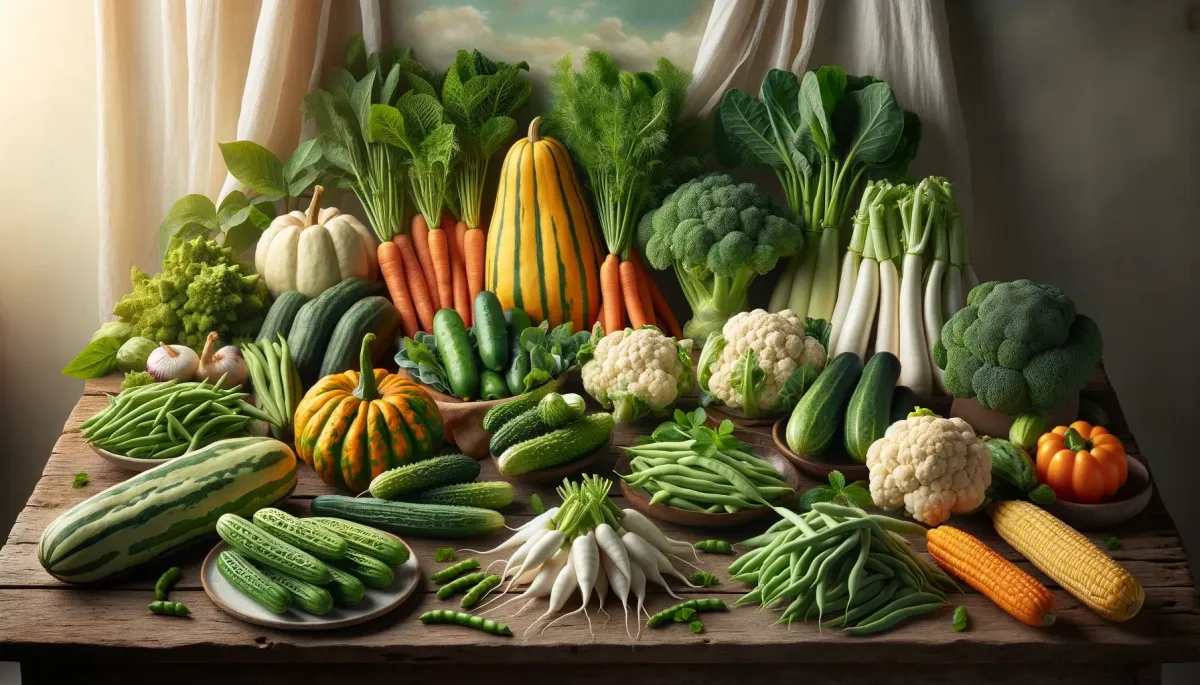
Which Vegetables Are Good For Diabetes?
Which Vegetables Are Good For Diabetes?
Taking care of diabetes is important for staying healthy. Along with taking medicine and eating balanced meals, adding vegetables to your food can help control your blood sugar level. But which vegetables are best for diabetes? In this blog, we will look at different vegetables that taste well and are good for people with diabetes.
These 10 Vegetables Are Good For Diabetes:
Managing diabetes can be tough, but choosing the right foods is a key part of controlling it. Eating different veggies can help keep your blood sugar levels in check. Let's check out 10 veggies that are good for you and can make managing diabetes easier.
1. Chow Chow
Chow chow, also called chayote squash, is a veggie that's low in calories but is rich in vitamins, minerals, and fiber.
Control Blood Sugar Levels: Chow chow doesn't have a lot of carbs, so it's a great choice for people with diabetes. It has fiber and antioxidants that can help keep your blood sugar level in check.
Weight Management: If you want to maintain a healthy weight with diabetes, chow chow can help. It is low in calories and high in fiber, which makes you feel full and stops you from overeating. The fiber in chow chow is also good for digestion, lowers cholesterol, and reduces the risk of heart disease.
Rich in Vitamins and Minerals: Chow chow contains important vitamins and minerals. It's especially high in vitamin C, which boosts your immune system and keeps you healthy overall. The veggie also has potassium, magnesium, and folate. Potassium improves cardiac performance by assisting in the regulation of heart muscle activity, whereas magnesium promotes vital muscular and cardiac functions. The production of red blood cells as well as the normal growth and function of cells depend on folate.
Hydration: Everyone needs to stay hydrated, especially if you have diabetes. Chow chow has a lot of water content, which helps you stay hydrated and keeps you feeling good.

Nutrient Value in Chow Chow
Below is a general nutrient table for 1 cup (about 132 grams) of chow chow:
Calories: 25
Protein: 1.1 grams
Fiber: 2.2 grams
Fat: 0.2 grams
Vitamins and Minerals:
Vitamin C: 19.2 milligrams (32% DV)
Vitamin B6: 0.1 milligrams (7% DV)
Folate: 19.8 micrograms (5% DV)
Vitamin K: 7.2 micrograms (9% DV)
Potassium: 174 milligrams (5% DV)
Magnesium: 12.8 milligrams (3% DV)
Controlling Blood Sugar Levels with Chow Chow:
Here's how you can make the most of this healthy vegetable:
Include Chow Chow in Your Meals Regularly: It's easy to add chow chow to your meals in different ways. You can put it in stir-fries, soups, salads, or have it as a side dish. By regularly eating chow chow, its low glycemic index and rich fiber content will help keep your blood sugar levels steady.
Replace High-Carb Ingredients: Managing diabetes can be hard when you need alternatives for high-carb foods. Chow chow is a great substitute for starchy veggies or grains in recipes. Its crunchy texture and mild taste make it a versatile ingredient that fills in without making your blood sugar spike.
Experiment with Chow Chow Recipes: Have fun trying out different chow chow recipes in your kitchen. You can make stir-fries, roast chow chow, or even chow chow chips for a healthy snack. There are lots of possibilities, and by adding variety to your meals, you can make eating healthy more enjoyable.
2. Carrots
Carrots are crunchy and full of nutrients and can help with diabetes. Here are some key things in carrots:
Beta-carotene: Carrots have a lot of beta-carotene, which makes them orange. Beta-carotene is a strong antioxidant. It can lower insulin resistance and make controlling blood sugar better.
Fiber: Carrots have a good amount of fiber. Fiber makes digestion slower and helps control blood sugar. It also makes you feel full, so you don't eat too much. This is important for managing weight, which is also a big part of controlling diabetes.
Vitamin A: Carrots have vitamin A, which is good for the eyes and the immune system. People with diabetes need to take care of their eyes, as they have a higher chance of vision problems.
Potassium: Carrots have potassium, a mineral that keeps blood pressure healthy. High blood pressure is a common problem for people with diabetes. Eating potassium-rich foods like carrots is good for overall heart health.
Now that you know the benefits of carrots, let's explore ways to include them in a diet that's good for people with diabetes.

Nutrient value
Here is a general nutrient table for 1 medium-sized carrot (about 61 grams), raw:
Calories: 25
Protein: 0.6 grams
Dietary Fiber: 1.5 grams
Vitamins and Minerals:
Vitamin A: 509 micrograms (85% DV)
Vitamin C: 3.6 milligrams (6% DV)
Vitamin K: 8.1 micrograms (10% DV)
Potassium: 195 milligrams (6% DV)
Vitamin B6: 0.1 milligrams (5% DV)
Folate: 6 micrograms (2% DV)
Manganese: 0.1 milligrams (5% DV)
Including Carrots in a Diabetic-Friendly Diet
Snacking on Raw Carrots: If you have diabetes, raw carrots make a tasty and easy snack. Cut them into sticks and dip them into low-fat yogurt. This snack is full of good taste for your body and helps keep you from getting too hungry between meals.
Adding Carrots to Salads: Make your salads more exciting by grating or thinly slicing carrots and mixing them with your favorite greens. Carrots add a sweet and crunchy taste to your salad while giving you important nutrients.
Roasted Carrot Mix: Roasted carrots can be a yummy part of any meal. Mix them with other veggies like bell peppers, zucchini, and onions. Drizzle some olive oil, sprinkle herbs, and roast in the oven until they're soft. This colorful mix not only tastes great but also gives you a healthy dose of nutrients.
Carrot Soup: Make a comforting and healthy carrot soup by cooking chopped carrots, onions, and garlic in a bit of olive oil. Add vegetable broth, let it simmer until the carrots are soft, and then blend until it's smooth. This soup is a satisfying meal and helps keep your blood sugar levels in check.
Incorporating carrots into your diet is just one part of staying healthy with diabetes. It's also important to eat a variety of foods, stay active, and work closely with your healthcare team to manage diabetes well.
3. Cucumber
Cucumbers are a great choice for people with diabetes because they are low in calories and full of important nutrients. Do you have doubts about, whether is cucumber good for diabetics? The answer is yes. Here are some cool things about cucumbers:
High in Fiber: Cucumbers have a lot of fiber, which is good for your digestion and helps control blood sugar. The fiber in cucumbers slows down how quickly your body absorbs sugar, so your blood sugar doesn't go up too fast.
Keeps You Hydrated: Cucumbers have a ton of water in them, so they help keep your body hydrated. Staying hydrated is important for people with diabetes to keep their blood sugar levels steady.
Full of Vitamins and Minerals: Cucumbers contain important vitamins and minerals like K, C, and potassium. These nutrients help your immune system, keep your bones healthy, and ensure your blood pressure stays normal.
Antioxidant Superpower: Cucumbers are like superheroes because they're rich in antioxidants. Antioxidants, such as flavonoids and lignans, protect your body from stress and inflammation. This is especially good for people with diabetes, who have a higher chance of having problems because of inflammation.

Nutrient Value
Here is a general nutrient table for 1 cup (about 104 grams) of raw cucumber:
Calories: 16
Protein: 0.8 grams
Dietary Fiber: 0.5 grams
Vitamins and Minerals:
Vitamin K: 10.2 micrograms (13% DV)
Vitamin C: 2.8 milligrams (5% DV)
Potassium: 152 milligrams (4% DV)
Magnesium: 10 milligrams (3% DV)
Vitamin A: 42 IU (1% DV)
Folate: 7.5 micrograms (2% DV)
Controlling Blood Sugar Levels with Cucumber
Helping Insulin Work Better: Cucumbers have something called cucurbitacin, a hormone that can make insulin work better. When insulin works better, it helps control blood sugar levels. So, if you have diabetes, eating cucumbers can be helpful.
Keeping You Hydrated: Drinking enough water is super important for managing blood sugar. Cucumbers have lots of water in them, which helps you stay hydrated. This is good because dehydration can make your blood sugar go up. Eating cucumbers helps you keep the right amount of water in your body and control blood sugar.
Managing Weight: Being too heavy is a big risk for diabetes. Cucumbers are great for weight management because they have low calories, lots of water, and fiber. Eating cucumbers makes you feel full, which helps with weight control and keeping your blood sugar in check.
Fighting Inflammation: Having diabetes can lead to inflammation in your body. Cucumbers have antioxidants that fight inflammation. This is good for your overall health and helps control blood sugar. Eating cucumbers can be like a superhero move against inflammation.
Tips for Incorporating Cucumbers into a Diabetes-Friendly Diet
In Your Salads: Make your salads better by adding sliced cucumbers. They give a nice crunch to your salad. Mix cucumbers with leafy greens, cherry tomatoes, and lean protein for a yummy and healthy salad.
Cucumber Water: Make your water tasty by adding cucumber slices. It's a fresh drink that keeps you hydrated and gives a hint of cucumber flavor. Drink it anytime during the day for a refreshing option.
Healthy Snacks: Have cucumber slices with hummus or yogurt for a healthy snack. It's low in calories and won't make your blood sugar go up too much. This snack keeps you feeling full between meals.
Cucumbers in Sandwiches: Make your sandwiches better by adding thin cucumber slices. It adds a nice crunch to your meal. This makes your sandwiches tastier and healthier.
4. Lady’s Finger
Lady's Finger is a healthy vegetable with low calories. It has important nutrients that are good for your health. This green vegetable looks like a pod and has lots of fiber, vitamins A, C, and K, and minerals like calcium, magnesium, and potassium. These nutrients are important for staying healthy and can help manage diabetes.
Controlling Blood Sugar Levels: People with diabetes worry about their blood sugar levels. The fiber in a lady's finger slows down how sugar absorbs our body. This helps avoid sudden increases in blood sugar levels. Lady's finger also has a special kind of fiber called mucilage, which forms a gel when mixed with water. This gel slows down sugar absorption and helps control blood sugar better.
Promoting Heart Health: Diabetes makes people more likely to have heart problems. Lady's finger can lower this risk by promoting heart health. The vegetable has antioxidants that reduce stress on the heart. The fiber in a lady's finger also lowers cholesterol, protecting against heart diseases.
Boosting Immunity: A strong immune system is important for people with diabetes because they are more prone to infections and slower healing. Lady's finger has vitamin C, which strengthens the immune system. Eating this vegetable can give your body an extra boost in defending itself.
Enhancing Digestive Health: Many people with diabetes have digestive issues. The fiber in a lady's finger helps keep your digestive system healthy by preventing constipation and promoting regular bowel movements. It also supports a healthy gut, which is important for overall well-being.

Nutrient Value
Here is a general nutrient table for 1 cup (about 100 grams) of raw lady's finger
Calories: 33
Protein: 1.9 grams
Dietary Fiber: 3.2 grams
Vitamins and Minerals:
Vitamin C: 21.1 milligrams (35% DV)
Vitamin K: 53 micrograms (66% DV)
Folate: 46 micrograms (12% DV)
Vitamin A: 716 IU (14% DV)
Calcium: 81 milligrams (8% DV)
Magnesium: 57 milligrams (14% DV)
Potassium: 299 milligrams (9% DV)
How to Include Lady's Finger in Your Diabetes Diet
Now that we know the good things about lady's finger, let's find some yummy ways to add it to your diabetes-friendly meals.
Stir-fried Lady’s Finger: Cook lady's finger quickly in a pan with just a bit of oil, garlic, and spices. It's a fast and tasty side dish that adds color and crunch to any meal.
Lady’s Finger Soup: Make a hearty and healthy soup by simmering the lady's finger with low-sodium broth, tomatoes, and your favorite veggies. Add some lean protein like grilled chicken or tofu to make it a complete meal.
Roasted Lady’s Finger: Coat the lady's finger with a bit of olive oil, sprinkle on your favorite spices, and roast until it's crispy. This makes a guilt-free snack or a yummy addition to salads.
Lady’s Finger Curry: Cook lady's finger in a tasty curry sauce with herbs and spices like turmeric, cumin, and coriander. This creates a satisfying main course. Serve it with brown rice or whole wheat bread for a wholesome meal.
Remember to watch how much you eat and talk to a healthcare professional or dietitian for personalized advice on adding a lady's finger to your diabetes meal plan.
5. Bitter Gourd
Bitter gourd is a traditional medicine for its many health benefits. Let's look at some of the important advantages it provides:
Regulates Blood Sugar Levels: Bitter gourd has something like insulin called polypeptide-p, which helps lower blood sugar. It makes your body use insulin better. By eating bitter gourd, you can control your blood sugar levels and manage diabetes better.
Rich in Essential Nutrients: This superfood is full of important things that keep you healthy. Bitter gourd has a lot of vitamins C and A, as well as folate and dietary fiber. These things help your immune system, make digestion better, and let your body absorb nutrients well. Adding bitter gourd to your meals is good for your health.
Aids Weight Management: Keeping a healthy weight is important for people with diabetes. Bitter gourd doesn't have many calories but has a lot of fiber. This helps you feel full for a long time. Eating bitter gourd can help you control your weight and lower the chance of having problems linked to obesity and diabetes.
Enhances Digestion: People with diabetes often have stomach problems like constipation and indigestion. Bitter gourd's fiber helps with digestion, preventing constipation and keeping your stomach healthy. It also works like a natural laxative, making sure your digestive system is in good shape and absorbs nutrients well.
Boosts Immunity: People with diabetes usually have weaker immune systems. Bitter gourd has a lot of antioxidants, like vitamin C, that make your body's defenses stronger. Eating bitter gourd helps boost your immune system and lowers the chance of getting sick.

Nutrient Value
Here is a general nutrient table for 1 cup (about 94 grams) of raw bitter gourd, also known as bitter melon:
Calories: 16
Protein: 0.9 grams
Dietary Fiber: 2.6 grams
Vitamins and Minerals:
Vitamin C: 84.4 milligrams (141% DV)
Vitamin A: 3724 IU (74% DV)
Folate: 51 micrograms (13% DV)
Vitamin K: 4.8 micrograms (6% DV)
Potassium: 296 milligrams (8% DV)
Calcium: 19 milligrams (2% DV)
Iron: 0.4 milligrams (2% DV)
Controlling Blood Sugar Levels with Bitter Gourd
Now that we've talked about how good bitter gourd is for your health, let's see how it can specifically help control your blood sugar:
Bitter Gourd Juice: One way people like to have bitter gourd is by making juice from it. Drinking this juice on an empty stomach can help keep your blood sugar levels in check. Some folks even add a bit of lemon or honey to make the juice taste better while still getting its benefits.
Bitter Gourd Stir-Fry: Another tasty way to eat bitter gourd is by stir-frying it with other veggies. You can sauté bitter gourd with onions, tomatoes, and your favorite spices. This dish not only adds a special taste to your meal but also gives you important nutrients without losing out on flavor.
Bitter Gourd Capsules: If you don't like the taste of bitter gourd, there are capsules or supplements available. These capsules have bitter gourd extract and are an easy alternative. However, it's important to talk to your doctor before adding any new supplements to your routine.
6. Radish
Living with diabetes means paying close attention to what you eat. One vegetable that's often overlooked but is good for people with diabetes is radish. Our grandma has been using radishes as a traditional medicine for a long time, and research shows they can help control blood sugar levels and keep you healthy.
Rich in Fiber: Radishes have a lot of dietary fiber, which is important for keeping your blood sugar levels steady. Fiber slows down how your body absorbs sugar, preventing sudden spikes after meals. This is especially helpful for people with diabetes who need to watch their blood sugar closely. Fiber also helps with good digestion, keeps your weight in check, and lowers the risk of heart disease.
Low Glycemic Index: The glycemic index (GI) shows how quickly food raises blood sugar. High-GI foods cause quick spikes, while low-GI foods lead to a gradual increase. Radishes have a low GI, making them perfect for a diabetes-friendly diet. Eating low-GI foods helps manage blood sugar levels better and avoids sudden spikes and drops.
Antioxidant Properties: Radishes are full of antioxidants that reduce stress and inflammation in the body. Diabetes creates a higher risk of damage from stress, which can cause heart disease and nerve problems. Antioxidants fight against damage, lowering the risk of these issues. Eating radishes gives your body natural antioxidants, supporting your overall health.
Vitamin C Boost: Radishes have a good amount of vitamin C, an antioxidant vitamin that helps your immune system. People with diabetes are more likely to get sick, so it's important to keep the immune system strong. Having radishes in your meals gives you a refreshing boost of vitamin C, helping your immune system stay strong and fight off infections.
Mineral Content: Radishes are also rich in minerals like potassium. Potassium is important for a healthy heart and controlling blood pressure, which is crucial for people with diabetes at a higher risk of heart problems. Other minerals in radishes, like calcium and magnesium, help with overall bone health and nerve function.

Nutrient Value
Here is a general nutrient table for 1 cup (about 116 grams) of raw radish:
Calories: 19
Protein: 0.8 grams
Dietary Fiber: 1.9 grams
Vitamins and Minerals:
Vitamin C: 17.2 milligrams (29% DV)
Folate: 14 micrograms (4% DV)
Potassium: 270 milligrams (8% DV)
Magnesium: 10 milligrams (2% DV)
Calcium: 29 milligrams (3% DV)
Vitamin K: 1.3 micrograms (2% DV)
How to Incorporate Radish into a Diabetic-Friendly Diet
Let's talk about how radishes can be good for people with diabetes and easy ways to add them to your meals:
Raw in Salads: Slice radishes thinly and toss them into your favorite salad for a crunchy and flavorful addition.
Roasted or Grilled: Mix radishes with olive oil, salt, and pepper. Cook them in the oven or on the grill until they're tender. This brings out their natural sweetness and tones down their strong flavor.
Pickled Radishes: Pickling radishes not only make them tastier but also help preserve them. Enjoy pickled radishes as a tangy side dish or as a topping for sandwiches and wraps.
Radish Slaw: Shred radishes and mix them with cabbage, carrots, and a light dressing for a refreshing and nutritious coleslaw.
Remember to try different ways of cooking and mixing flavors to find what you like best.
7. Beans
Now, let's talk about the health benefits of beans, like black, kidney, pinto, or chickpeas:
Blood Sugar Control: Beans help stabilize blood sugar levels for people with diabetes. The fiber in beans slows down the absorption of glucose, preventing spikes in blood sugar.
Weight Management: Beans are great for those trying to lose or maintain weight. The high fiber content makes you feel full, reducing overall calorie intake. Also, they have a low glycemic index, which means they don't cause big spikes in blood sugar.
Heart Health: Beans are good for your heart because they have lots of soluble fiber and antioxidants. Soluble fiber lowers cholesterol levels, reducing the risk of heart disease. Antioxidants in beans protect against oxidative stress and inflammation, both linked to heart problems.
Digestive Health: The fiber in beans supports a healthy digestive system, preventing constipation and promoting beneficial gut bacteria. Fiber also helps maintain a healthy gut microbiome and overall health.

Nutrient Value
Here is a general nutrient table for 1 cup (about 177 grams) of cooked, boiled, and unsalted pinto beans:
Calories: 245
Protein: 15.4 grams
Dietary Fiber: 15.4 grams
Vitamins and Minerals:
Folate: 294 micrograms (74% DV)
Manganese: 0.9 milligrams (38% DV)
Thiamine (B1): 0.4 milligrams (28% DV)
Iron: 4.4 milligrams (24% DV)
Magnesium: 86 milligrams (21% DV)
Phosphorus: 244 milligrams (21% DV)
Potassium: 746 milligrams (21% DV)
Zinc: 1.7 milligrams (11% DV)
Controlling Blood Sugar Levels with Beans
Beans are great for people with diabetes because they help control blood sugar levels. Here's why:
Soluble Fiber: Beans have soluble fiber that slows down how your body digests carbs. This prevents quick spikes in blood sugar and makes insulin work better.
Protein Power: Beans are a good plant-based protein source, like meat. Protein helps control blood sugar, keeps you full, and avoids overeating. Eating beans gives you steady energy and helps manage blood sugar ups and downs.
Low Glycemic Index: Beans have a low glycemic index (GI), meaning they don't raise blood sugar levels quickly. This makes them a good choice for people with diabetes who need to manage blood sugar.
Nutrient Density: Beans are rich in nutrients like vitamins and minerals, and they have beneficial plant compounds. They offer a lot of health benefits without too many calories. This helps people with diabetes maintain a balanced diet.
Including Beans in Your Diet
Swap Meat for Beans: Use beans instead of meat in recipes like chili, soups, and stews.
Create Colorful Salads: Add cooked beans to your salads for extra fiber and protein.
Make Bean-Based Dips: Hummus is a tasty dip made from chickpeas. Use it with veggies or whole-grain crackers.
Include Beans in Side Dishes: Use beans in side dishes or with grains like rice and quinoa for variety.
8. Cauliflower
The low GL value of this vegetable means that people with diabetes can eat it without stressing about their sugar levels. The carbohydrates in cauliflower are broken down and released into the bloodstream slowly, which helps in managing blood sugar. The benefits of cauliflower are listed below:
Fiber: Cauliflower has fiber that helps control blood sugar levels by slowing down glucose absorption.
Vitamins and Minerals: Cauliflower is full of important vitamins and minerals like vitamin C, known for fighting stress caused by high blood sugar. It also has vitamin K, crucial for blood clotting and bone health, plus minerals like potassium and magnesium, important for blood pressure and nerve function.
Sulforaphane: Cauliflower has sulforaphane, a powerful antioxidant that fights inflammation and diabetes-related issues. Studies show it improves insulin sensitivity, reducing diabetes risks. Eating cauliflower supports overall diabetes management.

Nutrient Value
Here is a general nutrient table for 1 cup (about 100 grams) of raw cauliflower:
Calories: 25
Protein: 2 grams
Dietary Fiber: 2 grams
Vitamins and Minerals:
Vitamin C: 48.2 milligrams (80% DV)
Vitamin K: 16 micrograms (20% DV)
Folate: 57 micrograms (14% DV)
Vitamin B6: 0.2 milligrams (10% DV)
Potassium: 299 milligrams (9% DV)
Manganese: 0.2 milligrams (9% DV)
Magnesium: 15 milligrams (4% DV)
Incorporating Cauliflower into Your Diet
To make the most of cauliflower's health benefits, let's explore some tasty ways to add this versatile veggie to your meals:
Cauliflower Rice: Swap regular rice with cauliflower rice for a low-carb and nutrient-packed alternative. Simply chop cauliflower into small pieces using a food processor, then cook by sautéing or steaming.
Roasted Cauliflower: Mix cauliflower pieces with olive oil and your favorite seasonings, then bake until they turn crispy and golden. This creates a delicious and nutritious side dish.
Cauliflower Mash: Instead of mashed potatoes, try cauliflower mash. Steam cauliflower until it's soft, blend until smooth, and add a bit of butter and seasoning to taste.
Cauliflower Stir-Fry: Add cauliflower to your favorite stir-fry for extra nutrients and fiber. The mild taste of cauliflower goes well with various stir-fry sauces and vegetables.
9. Cabbage
Cabbage can help manage blood sugar levels, and here's how:
High Fiber Content: Cabbage has lots of fiber, slowing down sugar absorption in the blood. This helps avoid sudden spikes in blood sugar and keeps glucose levels more stable. Eating cabbage makes you feel full without causing quick changes in glucose.
Low Glycemic Index (GI): Cabbage has a low GI, meaning it doesn't quickly raise blood sugar levels. This makes cabbage a good choice for people with diabetes.
Antioxidant Power: Cabbage is full of antioxidants like anthocyanins and sulfur compounds. These fight oxidative stress and inflammation, which combine with insulin resistance in diabetes. Eating cabbage gives your body what it needs to combat diabetes's harmful effects.
Weight Management: Keeping a healthy weight is important for diabetes, and cabbage can help. It's a low-calorie veggie that adds bulk to your meals without extra calories. The high fiber content in cabbage also keeps you feeling full longer, reducing the urge to overeat and aiding in weight management.

Nutrient Value
Here is a general nutrient table for 1 cup (about 89 grams) of raw cabbage:
Calories: 22
Protein: 1.1 grams
Dietary Fiber: 2.2 grams
Vitamins and Minerals:
Vitamin C: 28.1 milligrams (47% DV)
Vitamin K: 54 micrograms (68% DV)
Folate: 24 micrograms (6% DV)
Vitamin B6: 0.1 milligrams (4% DV)
Calcium: 40 milligrams (4% DV)
Potassium: 145 milligrams (4% DV)
Manganese: 0.2 milligrams (8% DV)
Including Cabbage in Your Diabetic Diet
Now that we know how cabbage can help with diabetes, let's look at simple ways to add this healthy vegetable to your daily meals:
Cabbage Salad: Make a refreshing salad with shredded cabbage, carrots, and a tangy vinaigrette dressing. Include lean protein like grilled chicken or tofu for a complete and balanced meal.
Stir-Fried Cabbage: Cook cabbage with colorful veggies like bell peppers and snow peas for a quick and tasty side dish. Use spices like turmeric and cumin to boost the flavor.
Cabbage Rolls: Fill cabbage leaves with a mix of lean ground meat, brown rice, and herbs. Bake them in tomato sauce for a nutritious and satisfying main course.
10. Broccoli
Broccoli contains essential nutrients that offer various health benefits:
Fiber: Broccoli has lots of dietary fiber, helping control blood sugar levels by slowing down sugar absorption. This is great for preventing spikes in blood sugar, especially for people with diabetes.
Vitamin C: Broccoli is rich in vitamin C, supporting a healthy immune system and aiding in wound healing. This is particularly important for diabetics who may experience slower healing.
Vitamin K: Broccoli is abundant in vitamin K, crucial for blood clotting and maintaining strong bones.
Calcium: Broccoli contains significant amounts of calcium, a vital mineral for strong bones and teeth.
Chromium: Broccoli has chromium, a trace mineral that improves insulin sensitivity. This helps cells use glucose more efficiently, making broccoli beneficial for diabetics.

Nutrient Value
Here is a general nutrient table for 1 cup (about 91 grams) of raw broccoli:
Calories: 31
Protein: 2.5 grams
Dietary Fiber: 2.4 grams
Vitamins and Minerals:
Vitamin C: 81.2 milligrams (135% DV)
Vitamin K: 89 micrograms (112% DV)
Folate: 57 micrograms (14% DV)
Vitamin A: 1203 IU (24% DV)
Potassium: 288 milligrams (8% DV)
Manganese: 0.2 milligrams (9% DV)
Calcium: 42 milligrams (4% DV)
Controlling Blood Sugar with Broccoli
Eating broccoli is really good for people with diabetes because it helps manage their blood sugar. Here's why:
Helping Insulin Work Better: Broccoli has something called sulforaphane, which makes insulin work better. This helps cells respond to insulin properly, and that's good for controlling blood sugar.
Slowing Down Sugar Spikes: Broccoli has a lot of fiber that slows down how fast we digest food. This means our blood sugar doesn't go up too quickly. Also, broccoli has a low glycemic index, which is great for people worried about blood sugar.
Fighting Oxidative Stress: Broccoli has antioxidants that protect against stress in the body. People with diabetes often have more stress, so eating broccoli helps control blood sugar by reducing damage.
Adding Broccoli to Your Meals
It's easy to include broccoli in your meals in tasty ways:
Steam or Stir-Fry: Cook broccoli lightly to keep it crunchy. Add garlic, ginger, or lemon juice for more flavor.
Roast: Roasting makes broccoli sweet and a bit crispy. Use olive oil, salt, and pepper for a delicious taste.
Soups and Salads: Throw chopped broccoli into soups or salads for extra nutrients. It goes well with other veggies, grains, or proteins.
Smoothies: Surprisingly, you can put broccoli in smoothies! Blend it with fruits, yogurt, and a bit of milk for a healthy drink.
Additional Tips
Low-carb food, smoothies, veg, and fruits are the best breakfast for a diabetic to eat.
High-fiber grains, eggs, nuts, and leafy greens are the best breakfasts that do not spike blood sugar. But a few nuts that diabetics should avoid in their diet plan.
We hope, you learned what is the best veg for diabetics, which vegetables help lower blood sugar, and which vegetables don’t raise blood sugar from this blog. Incorporating a variety of vegetables into your daily diet can be highly beneficial for individuals with diabetes. Chow chow, carrots, broccoli, cucumber, lady's finger, bitter gourd, radish, beans, cauliflower, and cabbage are all excellent choices that offer various nutritional benefits. Remember to consult with a healthcare professional or registered dietitian to determine the most suitable vegetable choices and portion sizes for your individual needs. By making these vegetables a regular part of your meals, you can take positive steps towards managing diabetes and enjoying optimal health.
FAQ
Are bananas good for diabetics? Or Can diabetics eat bananas?
No. Banana contains 15g of sugar and 29g of carbs which can increase the blood sugar level quickly.
Are potatoes good for diabetics?
Examine the impact of potatoes on blood sugar levels and discover choices for a well-rounded diabetic diet.
How many vegetables should a diabetic eat per day?
Understand the recommended daily intake of vegetables for individuals with diabetes, emphasizing variety and portion control.
Are tomatoes good for diabetics?
100g of tomatoes have 23 GI and are also non-starchy. So, diabetics can add it to their diet plan.